08-03-2019
07:33
Our team sorts through all blog submissions to place them in the categories they fit the most - meaning it's never been simpler to gain advice and new knowledge for topics most important for you. This is why we have created this straight-forward guide to help you navigate our system.
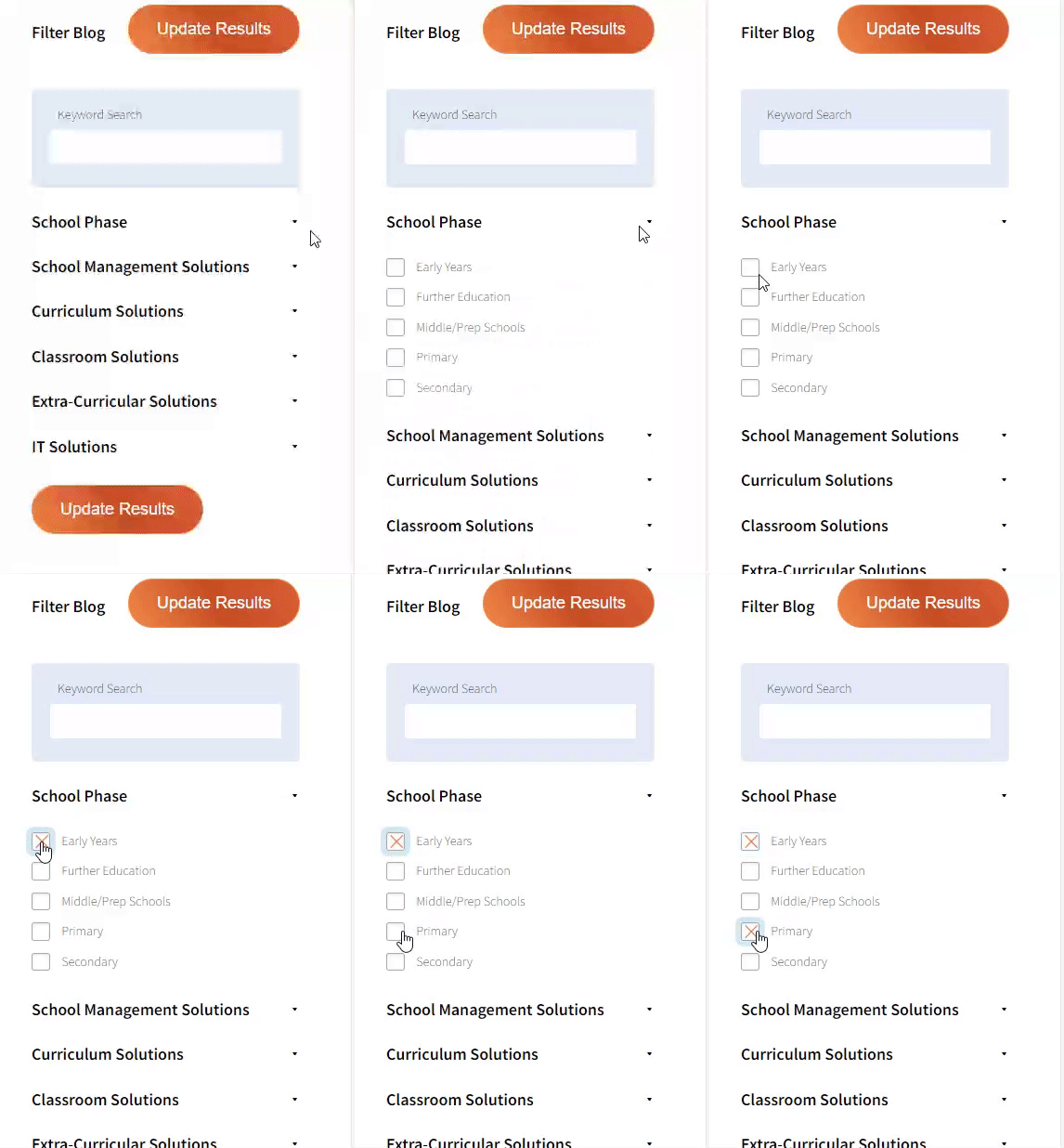
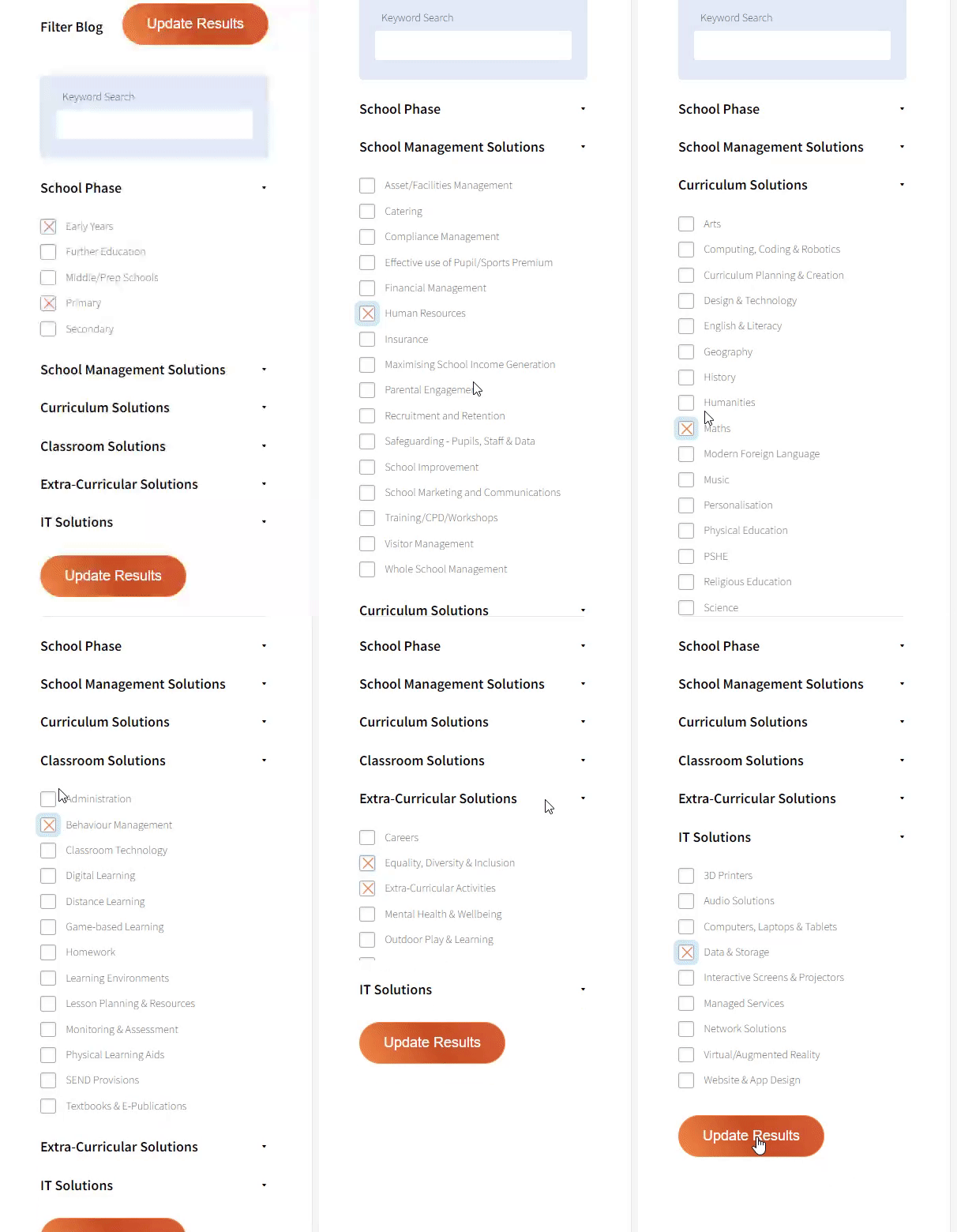
And there you have it! Now your collection of blogs are catered to your chosen topics and are ready for you to explore. Plus, if you frequently return to the same categories you can bookmark your current URL and we will save your choices on return. Happy Reading!
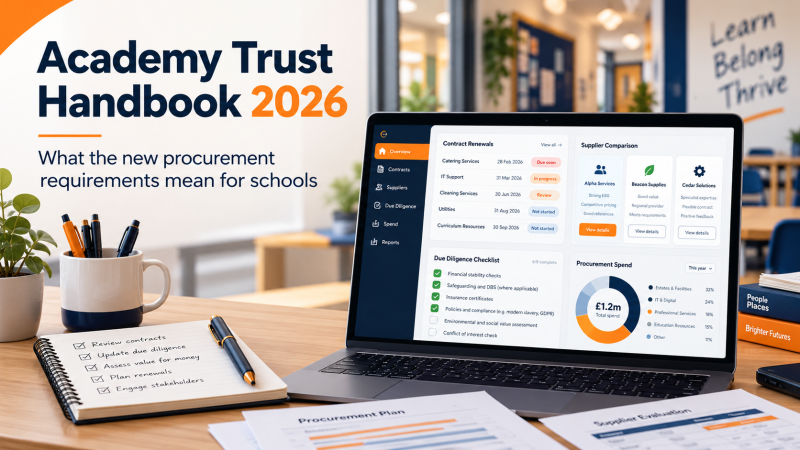
The Academy Trust Handbook 2026 came into effect on 1 October 2026, bringing a number of important changes for academy trusts.
For school business leaders, CFOs and those responsible for procurement, one area is particularly significant: trusts are expected to demonstrate increasingly clearly how purchasing decisions are made, how value for money is achieved and how those decisions are recorded.
The new Handbook also states that academy trusts must consider Department for Education purchasing opportunities when making purchasing decisions and record their decision-making.
For many schools, that makes having good visibility of contracts, renewal dates and procurement activity more important than ever.
The Handbook requires academy trusts to ensure that spending:
The 2026 Handbook also places additional emphasis on considering DfE purchasing opportunities and maintaining a record of how procurement decisions were reached.
For schools, the challenge is therefore not simply making a good purchasing decision.
It is increasingly about being able to show why that decision was made.
Most schools already undertake a significant amount of work before appointing or renewing a supplier.
The problem is that the evidence behind those decisions can often be spread across:
That can make seemingly simple questions difficult to answer.
For example:
When does this contract expire?
What is the notice period?
Did we review alternative suppliers?
How does the current price compare with the wider market?
Did we consider an appropriate DfE purchasing route?
What due diligence was carried out?
Why was this supplier selected?
Having those answers available becomes increasingly important where a school or trust needs to demonstrate effective financial governance.
One of the simplest ways to improve procurement is to know what contracts you already have and when they are due to renew.
If a school only becomes aware of a contract shortly before renewal, there may be very little time to properly review the service, benchmark costs or explore alternatives.
Good contract management provides enough notice to:
In many cases, better procurement starts months before the actual buying decision.
The Handbook continues to place value for money at the heart of academy trust spending.
Importantly, value for money does not simply mean choosing the cheapest supplier.
Schools need to consider cost alongside factors such as quality, suitability, service, contractual terms and long-term value.
Being able to compare suppliers and understand what other schools are paying can provide valuable context when reviewing an existing contract or purchasing a new service.
This is one of the areas where education-specific procurement tools are becoming increasingly useful.
One of the most notable aspects of the 2026 Handbook is the requirement for academy trusts to record their decision-making when considering DfE purchasing opportunities.
This highlights a broader point for school procurement.
A good purchasing process should leave behind a clear record.
That could include:
Creating that record at the time of procurement is significantly easier than trying to reconstruct it later.
Many schools still manage contracts and procurement activity across several different systems.
Increasingly, platforms are being developed to bring more of that information together.
One example is The Education Marketplace (TEM), which has been created specifically for schools.
TEM allows schools to manage contracts and renewal dates while also helping them discover and compare education suppliers.
The aim is to connect different stages of the procurement journey:
Contract → Renewal → Review → Compare → Supplier decision → New contract
Schools can use the platform to:
TEM does not replace a trust’s own procurement policy or statutory procurement obligations, but it can help schools organise and evidence much of the information required to make better-informed decisions.
Academy trusts should also be aware that certain areas of expenditure have specific requirements or DfE purchasing arrangements attached to them.
The 2026 Handbook includes requirements relating to areas including:
Schools should therefore always check whether a specific purchasing route is required before progressing a procurement exercise.
This is another reason why planning renewals early is important.
If schools know well in advance that a major contract is approaching renewal, they have more time to understand the relevant requirements and follow the appropriate process.
For many schools, compliance issues do not begin with the procurement itself.
They begin much earlier because contract information is incomplete, renewal dates are missed or responsibility for contracts is unclear.
A useful first step is therefore to assess how effectively contracts are currently being managed.
The Education Marketplace offers a free Contract Health Check which takes just a few minutes to complete and provides schools with a personalised report highlighting strengths, potential gaps and practical recommendations.
Schools can also create a free TEM account to start managing contracts and exploring suppliers.
The Academy Trust Handbook 2026 reinforces a direction that school procurement has been moving towards for some time.
It is no longer enough simply to buy well.
Schools increasingly need to be able to demonstrate:
what they bought, why they bought it, what alternatives they considered and why the final decision represented good use of public money.
For school business leaders, better contract visibility and stronger procurement records can make that process considerably easier.
And, perhaps just as importantly, they can help schools spend less time searching through spreadsheets and emails when the evidence is eventually needed.
This article is intended as general information for schools and academy trusts and should not be treated as legal or procurement advice. Trusts should refer to the Academy Trust Handbook, relevant legislation and their own financial and procurement policies when making purchasing decisions.







Are you looking for solutions? Let us help fund them! Nexus Education is a community of over 11,000 schools that come together to share best pract... View More
Established in 2011, One Education is a company at the heart of the education world, supporting over 600 schools and academies. Our unique appeal a... View More
School Space is a social enterprise that has empowered schools for over 14 years through their profitable and hassle-free lettings services. So far... View More
Unify is an online sales and marketing tool that allows users to create tailored personalised documents in moments. View More
There’s nothing special about the energy we sell. In fact, it’s exactly the same energy as all our competitors provide. But there is something spec... View More
Securus provide market-leading monitoring solutions to safeguard students on ALL devices both online and offline. We also offer a full monitoring s... View More
Robotical makes Marty the Robot - a walking, dancing coding robot that makes programming fun and engaging for learners as young as 5. Our robots co... View More