07-03-2022
04:14
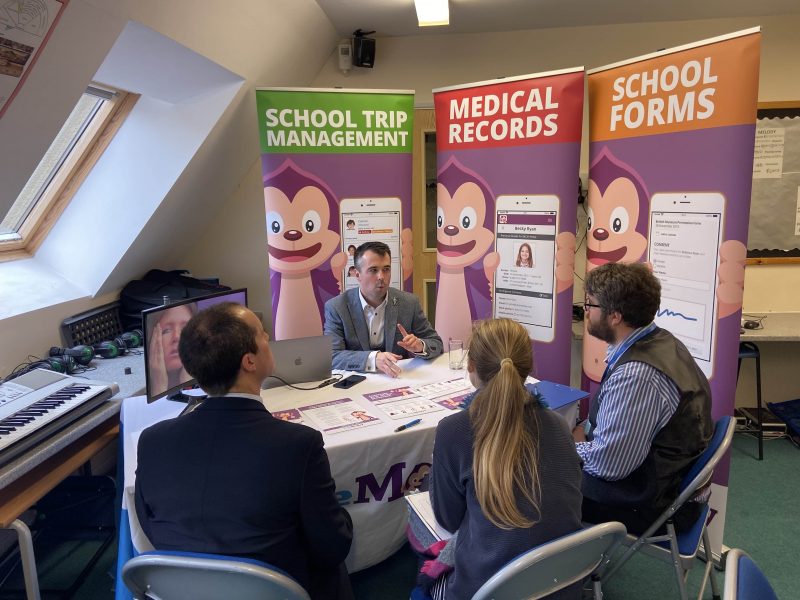
Our team sorts through all blog submissions to place them in the categories they fit the most - meaning it's never been simpler to gain advice and new knowledge for topics most important for you. This is why we have created this straight-forward guide to help you navigate our system.
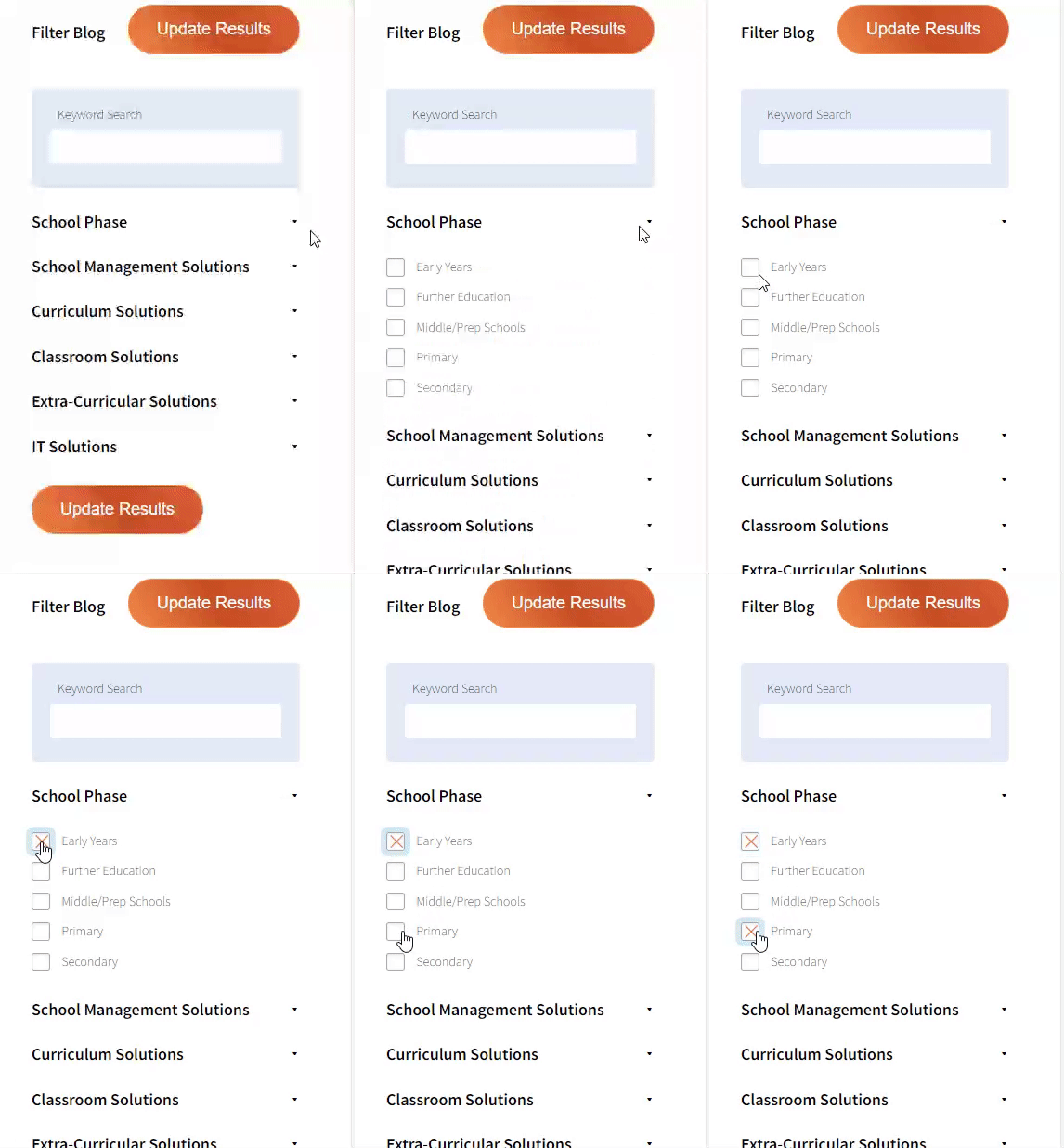
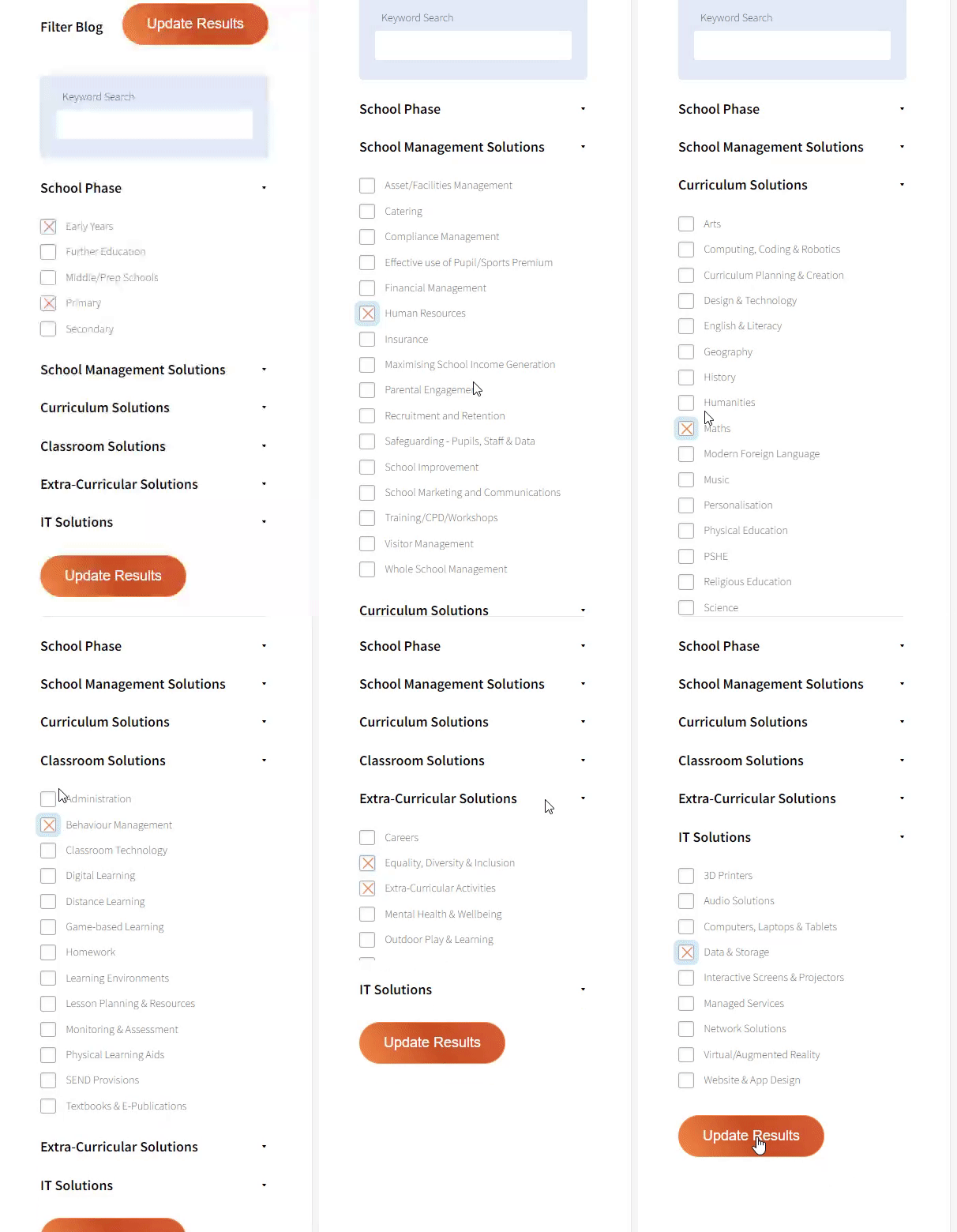
And there you have it! Now your collection of blogs are catered to your chosen topics and are ready for you to explore. Plus, if you frequently return to the same categories you can bookmark your current URL and we will save your choices on return. Happy Reading!
In the world of Alternative Provision (AP), many students arrive having experienced exclusion, trauma, or prolonged disengagement from education. It can be tempting to view mentors simply as “caring adults,” but their role is far more complex. While compassion is important, adaptability, emotional intelligence, and relationship-building are what truly define effective mentoring. Mentors do more than offer support, they act as facilitators of engagement, helping students navigate barriers to learning and develop the skills necessary for success. In mainstream KS3 and KS4 education, high workloads, large class sizes, and curriculum pressures limit one-to-one pastoral support. Mentors complement teachers by providing relational support outside the curriculum, building trust, confidence, and self-regulation to help students engage and learn effectively. This need is heightened as the number of children with Education, Health and Care Plans (EHCPs) continues to rise, increasing by approximately 11% between January 2024 and January 2025 to around 638,700 active plans in England (Department for Education, 2025). The trend reflects the growing complexity of needs across school populations, highlighting the importance of adaptive, personalised approaches to support. Mentoring provides one such model, complementing teaching and supporting every child to reach their potential.
Adaptability in Action: Lessons from Navigators
At Navigators, a Greater Manchester-based AP provider, mentoring is not a static role; it is a dynamic, evolving relationship shaped by the needs of each learner. This flexibility, often constrained in mainstream settings, demonstrates how mentoring can transform engagement, wellbeing, and achievement.
Effective Mentoring
At Navigators, impactful mentoring is built on trust, empathy, and flexibility, combining emotional availability with adaptability to support each student’s individual needs. Mentors receive essential training and ongoing professional support to manage the emotional demands of the role, which can be particularly challenging when working with students
affected by trauma or mental health issues (Fitzsimmons et al., 2021). Effective mentoring relies on perspective-taking and adaptability (Spencer et al., 2020), enabling mentors to understand students’ experiences and respond flexibly as needs evolve. At Navigators, these principles are put into practice: mentors adjust schedules, meeting locations, and communication styles to remove barriers to engagement. They support emotional regulation, recognise incremental progress, and ensure every student feels heard and valued. This relational, flexible approach aligns with findings from the Education Endowment Foundation (2025), which indicate that developing confidence, resilience, and aspiration helps students re-engage with learning and sustain progress.
What This Means for Mainstream Education
As Johnston and Nolty caution (2023), the presence of ‘caring’ staff alone is not enough, especially when educators are expected to fill gaps left by overstretched children’s services. Students with SEND and complex needs require more than goodwill; they need structured, relational support that builds trust and engagement. While budget constraints can make additional staffing a challenge, mentoring in AP demonstrates that targeted, flexible approaches can have a meaningful impact. As the number of pupils with EHCPs grows, schools must think beyond traditional classroom models and consider innovative ways to embed relational support into everyday practice. Integrating mentoring principles of flexibility, relationship-centred practice, and emotional literacy can make learning more inclusive and effective for all students.
The Navigators’ approach demonstrates that progress begins not just with teaching, but with understanding. Mainstream schools can adopt this lesson by embedding mentoring practices into daily life, training staff to respond flexibly to student needs, and valuing relational work as much as academic outcomes. In doing so, every learner can feel seen, supported, and capable of thriving.








Are you looking for solutions? Let us help fund them! Nexus Education is a community of over 11,000 schools that come together to share best pract... View More
Established in 2011, One Education is a company at the heart of the education world, supporting over 600 schools and academies. Our unique appeal a... View More
School Space is a social enterprise that has empowered schools for over 14 years through their profitable and hassle-free lettings services. So far... View More
Unify is an online sales and marketing tool that allows users to create tailored personalised documents in moments. View More
There’s nothing special about the energy we sell. In fact, it’s exactly the same energy as all our competitors provide. But there is something spec... View More
Securus provide market-leading monitoring solutions to safeguard students on ALL devices both online and offline. We also offer a full monitoring s... View More
Robotical makes Marty the Robot - a walking, dancing coding robot that makes programming fun and engaging for learners as young as 5. Our robots co... View More