

24-08-2026
11:11
Our team sorts through all blog submissions to place them in the categories they fit the most - meaning it's never been simpler to gain advice and new knowledge for topics most important for you. This is why we have created this straight-forward guide to help you navigate our system.
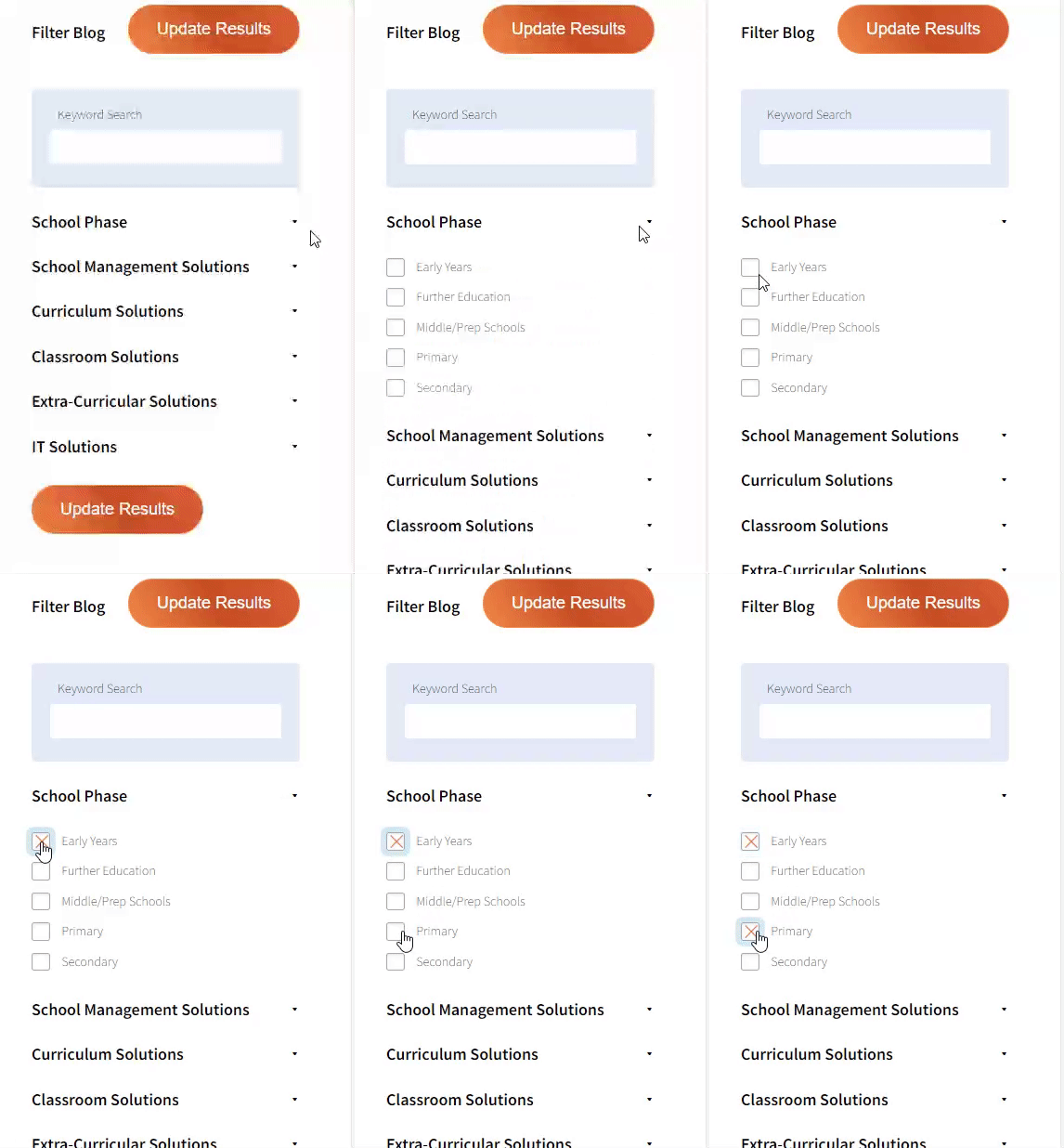
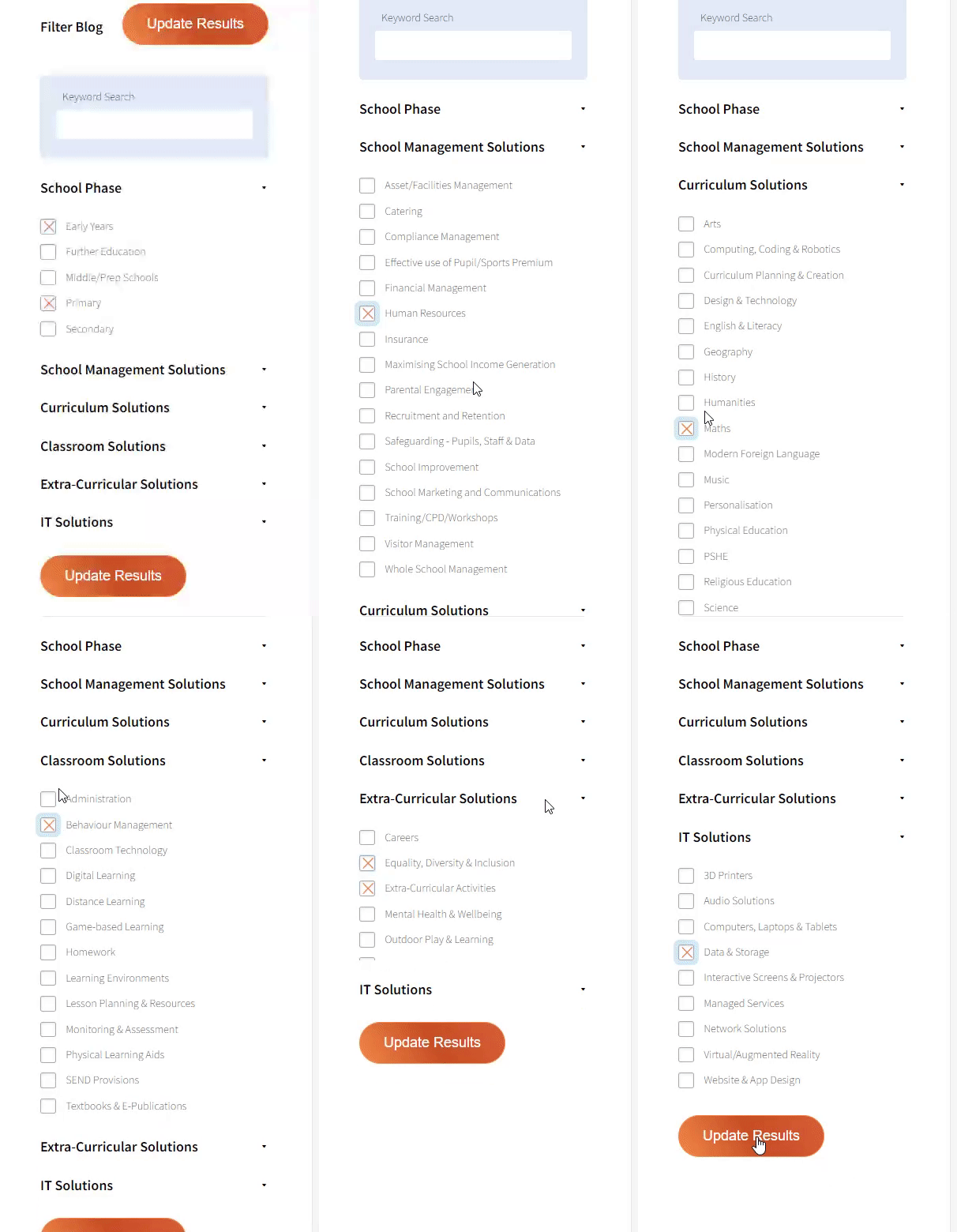
And there you have it! Now your collection of blogs are catered to your chosen topics and are ready for you to explore. Plus, if you frequently return to the same categories you can bookmark your current URL and we will save your choices on return. Happy Reading!
At 5pm, many school buildings change hands. A junior football club fills the sports hall, a tuition group takes over two classrooms and a dance school sets up in the studio. The pupils have gone home, but the school’s safeguarding responsibilities haven’t.
Community lettings bring valuable income and strong local connections. Here’s how to make sure they happen safely.

Two pieces of guidance work together.
1) Keeping Children Safe in Education 2026 (KCSIE) governs the school and its staff. It sets the standard for how all adults on the premises should conduct themselves and what safeguarding oversight is required. Schools that hire out their premises must seek assurance that hirers have appropriate safeguarding arrangements, and handle any allegation linked to a letting through the school’s own procedures, informing the Local Authority Designated Officer where needed. Your hire agreement should reference KCSIE and require hirers to comply with it while on site.
2) The DfE’s Keeping children safe in out-of-school settings guidance sets the standard hirers should meet when working with children. Its checklist is the most useful tool for reviewing the safeguarding policies hirers submit.
Yes. When an activity isn’t run by the school, the school’s own child protection arrangements may not cover it directly, but the school still needs to be assured that the hirer’s arrangements are sound. During lettings, a school works more like a leisure centre: hirers supervise their own participants, and adults attending who aren’t responsible for children don’t need DBS checks.
Before any booking is confirmed:
Safeguarding needs to be a condition of use, with the right to cancel if it isn’t met. As a minimum, the agreement should cover:
Document how entrances are managed during lettings, and keep access codes, keys and fobs under the school’s control. They should never be shared with hirers. Identify confidential information, from pupil records to medical notices on classroom noticeboards, and clear or lock those spaces before handover.
The handover from school use to community use is the most important moment for safeguarding. Agree a written handover time, and make sure no letting starts while pupils are on site unless specific arrangements are in place. School staff should know when lettings are running, and whoever manages lettings should know about internal events such as parents’ evenings or late clubs in advance. Pupils who stay late should be supervised by a school-employed adult and kept separate from hirers.
During sessions, a named escalation contact should be known to everyone working on lettings. Share emergency and evacuation procedures with each hirer’s organiser. Everyone on site should know what to do if a child arrives without an adult, or if someone unconnected with a letting tries to get in.
At least annually, or when a booking is renewed. Insurance lapses and policies go out of date. Have a clear process for logging and reviewing incidents and concerns, and carry out periodic spot checks of active sessions to see how things work in practice.
Many schools use a fully managed lettings service, where an external provider handles bookings, hirer checks and on-site staffing. Outsourcing can take work off the site team, but the school’s safeguarding responsibility stays with the school. Before appointing any provider, ask:
A good provider will share hirers’ safeguarding policies and risk assessments on request, and pause a booking if your DSL raises a concern.
Getting these basics right protects pupils, staff and hirers alike, and gives the community confidence in your school as a place to meet, learn and play. For more on what makes lettings work well over time, see School Space’s State of School Lettings report.

School Space is a social enterprise that has empowered schools for over 14 years through their profitable and hassle-free lettings services. So far... View More






Are you looking for solutions? Let us help fund them! Nexus Education is a community of over 11,000 schools that come together to share best pract... View More
Established in 2011, One Education is a company at the heart of the education world, supporting over 600 schools and academies. Our unique appeal a... View More
School Space is a social enterprise that has empowered schools for over 14 years through their profitable and hassle-free lettings services. So far... View More
Unify is an online sales and marketing tool that allows users to create tailored personalised documents in moments. View More
There’s nothing special about the energy we sell. In fact, it’s exactly the same energy as all our competitors provide. But there is something spec... View More
Robotical makes Marty the Robot - a walking, dancing coding robot that makes programming fun and engaging for learners as young as 5. Our robots co... View More
As a group, Fusion Education People Solutions provide innovative HR Services and Software (SAM, SAMpeople and FACE-Ed), developed specifically for ... View More