19-08-2023
10:03
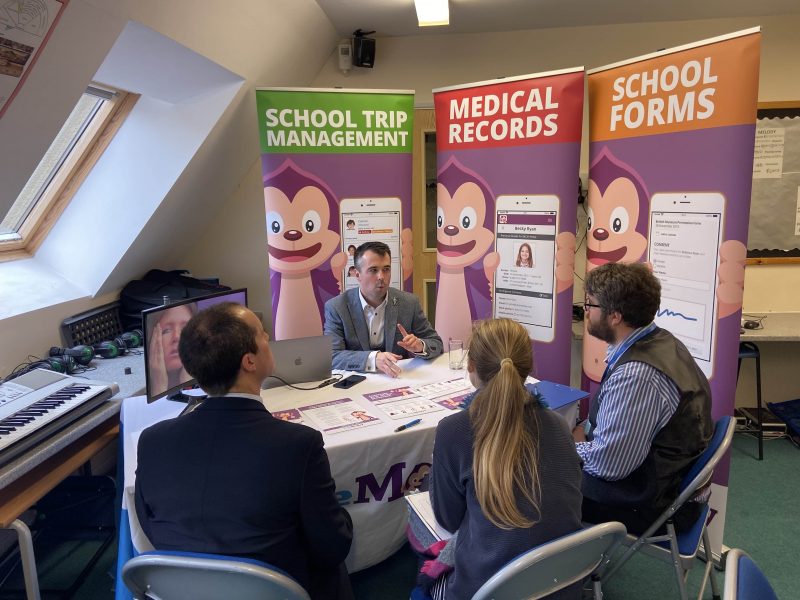
Our team sorts through all blog submissions to place them in the categories they fit the most - meaning it's never been simpler to gain advice and new knowledge for topics most important for you. This is why we have created this straight-forward guide to help you navigate our system.
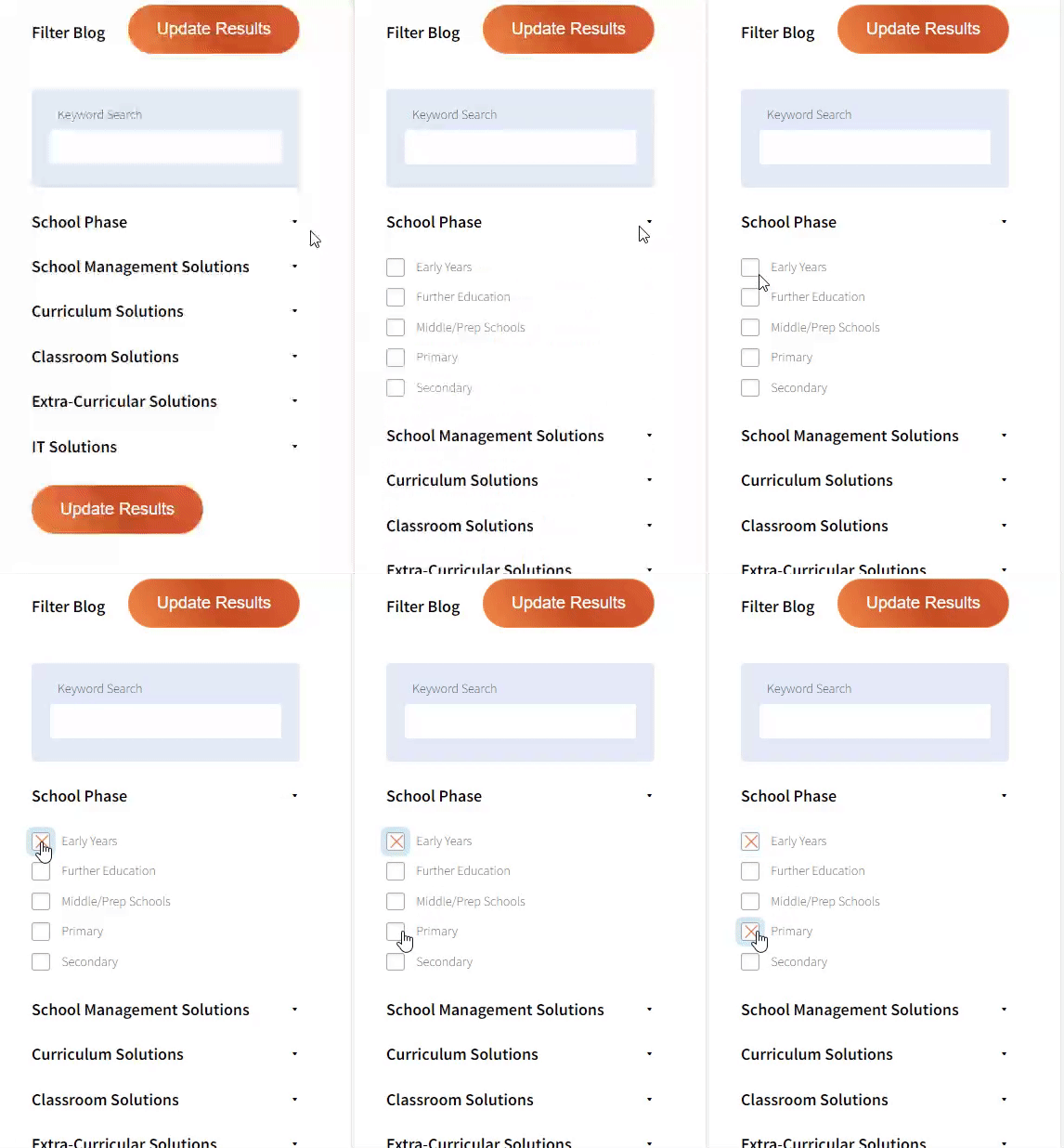
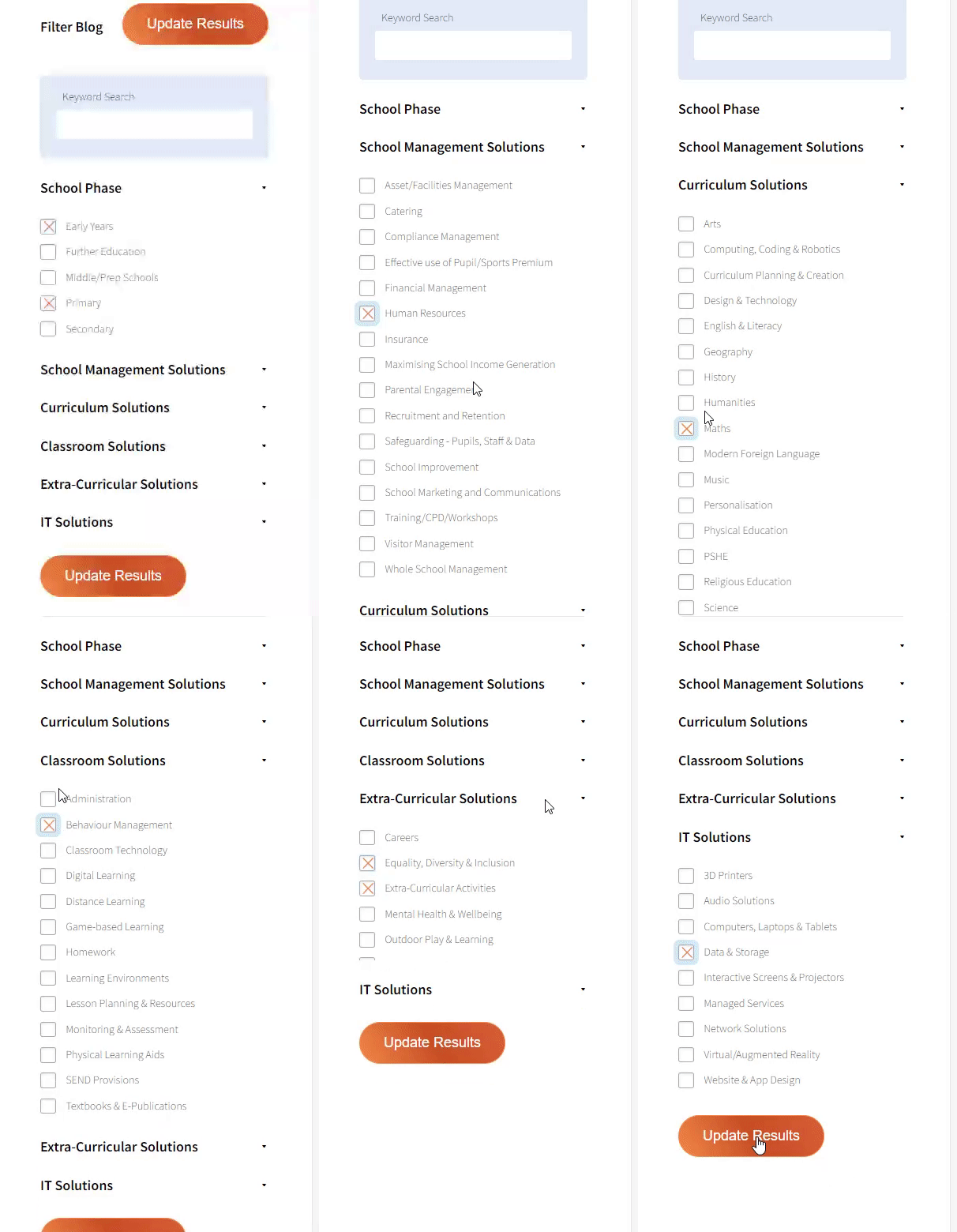
And there you have it! Now your collection of blogs are catered to your chosen topics and are ready for you to explore. Plus, if you frequently return to the same categories you can bookmark your current URL and we will save your choices on return. Happy Reading!
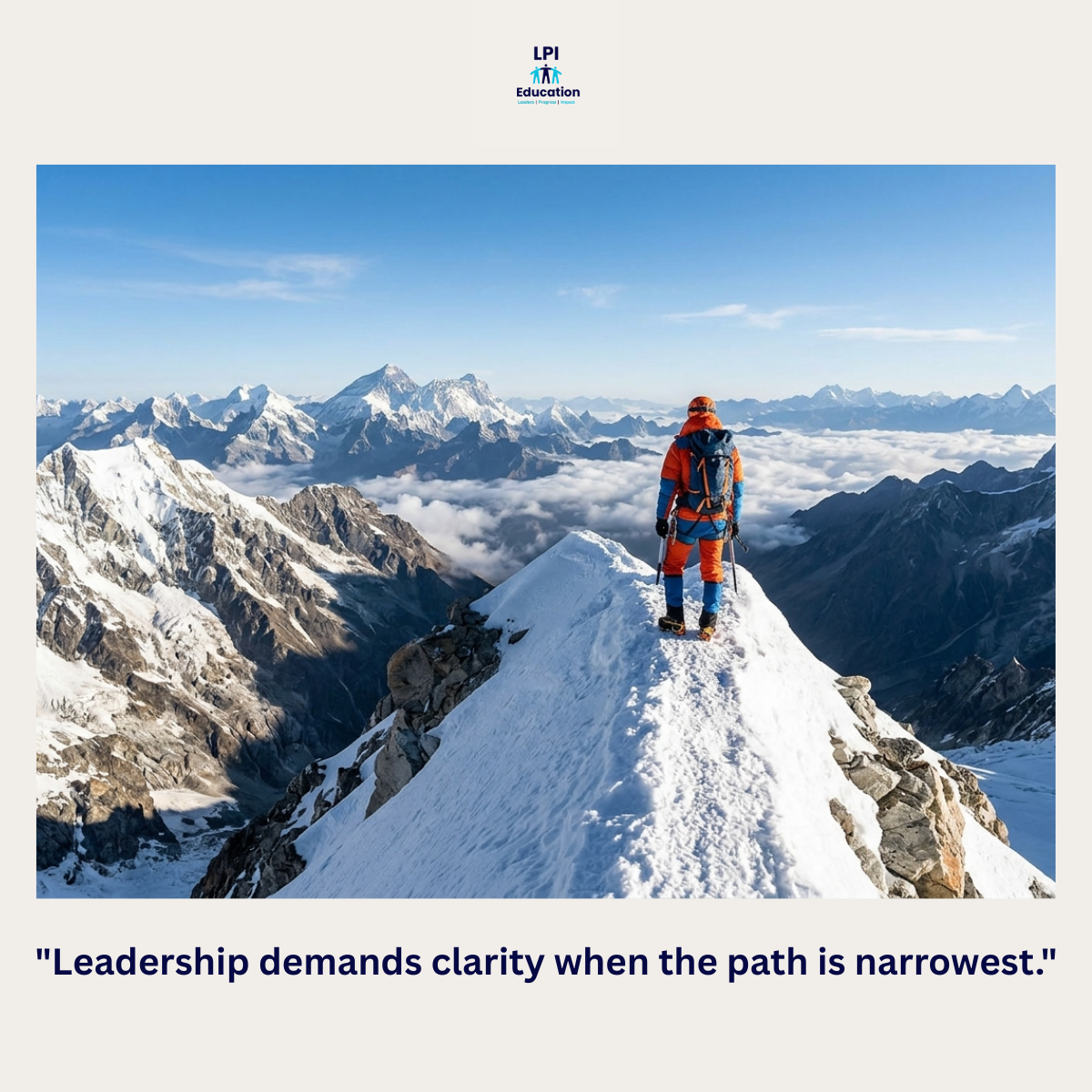
Some of the most capable headteachers I know carry their hardest decisions alone.
Not because they lack a team. They are often surrounded by brilliant SLTs and dedicated staff. But because high-level leadership demands judgement in the “grey zones”; those places where there is no policy, no precedent, and no protected space to think things through properly.
When I was in headship, I remember the decisions that stayed with me long after the site manager had locked the gates. The ones you replay on a loop during the drive home. The ones you feel in your chest.
In education, we are world-class at building systems. We invest heavily in frameworks that protect our pupils:
But we have a systemic blind spot: we fail to invest in systems that protect the judgement of the adults making the toughest calls. We build the safety net for the students, but we leave the person holding the net standing on a precarious ledge.
When I work with headteachers and Trust leaders, I ask three questions that usually bring a heavy silence to the room:
We need to change the vocabulary around leadership support. This isn’t about “self-care” or “coping.” It is about Professional Supervision.
In social work or clinical psychology, supervision is a non-negotiable safety requirement. It is a recognition that the “human tool” needs sharpening. In education, we’ve wrongly branded this as a sign of weakness or an admission that we aren’t “robust” enough.
It is actually the ultimate risk management strategy. A leader who has a space to exhale is a leader who makes fewer reactive mistakes. They lead with more clarity, more confidence, and far less of that “quiet overwhelm” that leads to the 5:00 pm resignation letter.
If you recognise yourself in the “3:00 am echo chamber,” it is time to move from survival to strategy. We must stop treating mental clarity as a luxury and start treating it as a prerequisite for safe leadership.
We treat the Headteacher as a monolith, forgetting that a foundation under constant, unsupported pressure eventually cracks. If we want to solve the retention crisis in leadership, we must stop treating the headteacher’s mind as an infinite resource.
For Heads: Stop wearing your isolation as a badge of honour. It is a vulnerability, not a strength.
For Governors: If your budget doesn’t include a line for external professional supervision, you aren’t fully protecting your school’s greatest asset.
I’m curious, not theoretically, but in reality: Where do you actually go to think your hardest decisions through? And if the answer is “nowhere”, what is that costing you?






Are you looking for solutions? Let us help fund them! Nexus Education is a community of over 11,000 schools that come together to share best pract... View More
Established in 2011, One Education is a company at the heart of the education world, supporting over 600 schools and academies. Our unique appeal a... View More
School Space is a social enterprise that has empowered schools for over 14 years through their profitable and hassle-free lettings services. So far... View More
Unify is an online sales and marketing tool that allows users to create tailored personalised documents in moments. View More
There’s nothing special about the energy we sell. In fact, it’s exactly the same energy as all our competitors provide. But there is something spec... View More
Securus provide market-leading monitoring solutions to safeguard students on ALL devices both online and offline. We also offer a full monitoring s... View More
Robotical makes Marty the Robot - a walking, dancing coding robot that makes programming fun and engaging for learners as young as 5. Our robots co... View More