01-06-2020
01:52
Our team sorts through all blog submissions to place them in the categories they fit the most - meaning it's never been simpler to gain advice and new knowledge for topics most important for you. This is why we have created this straight-forward guide to help you navigate our system.
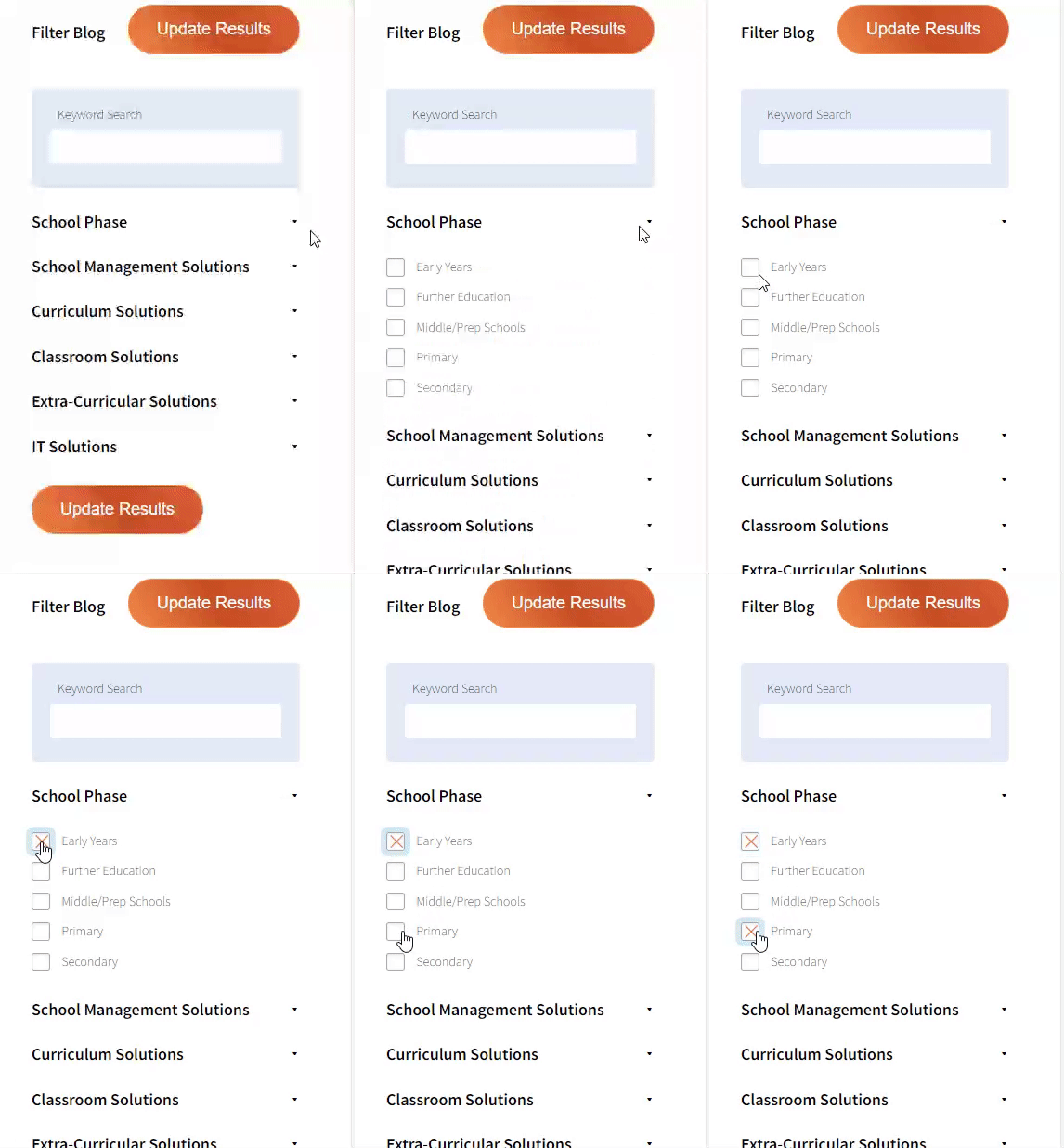
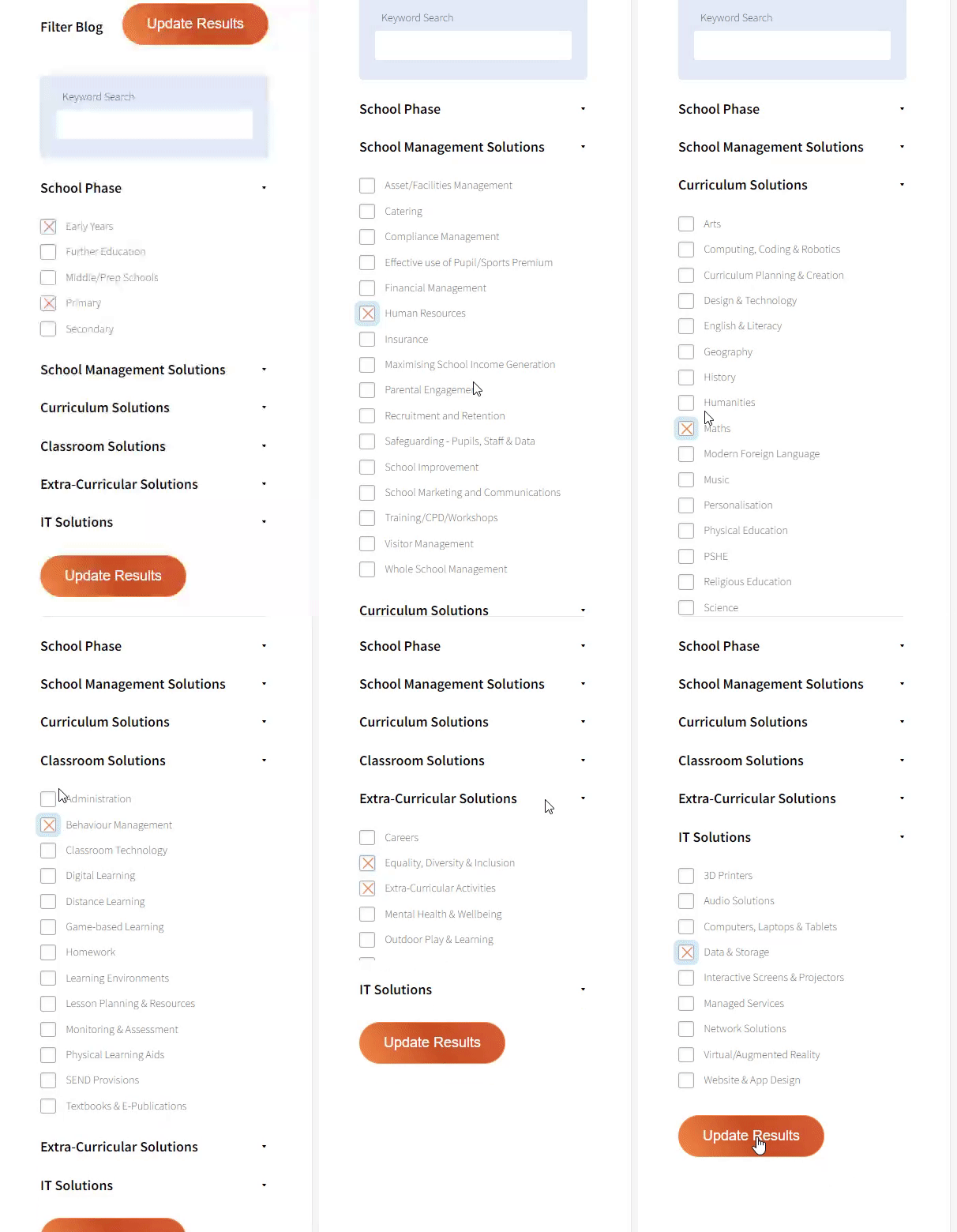
And there you have it! Now your collection of blogs are catered to your chosen topics and are ready for you to explore. Plus, if you frequently return to the same categories you can bookmark your current URL and we will save your choices on return. Happy Reading!
Schools today are seeing a growing number of young people struggling with uncertainty, not only about future careers, but about identity, confidence and belonging. In our work across wellbeing and purpose led career education, we’ve noticed the same thing: uncertainty is no longer the exception; it is becoming the norm.
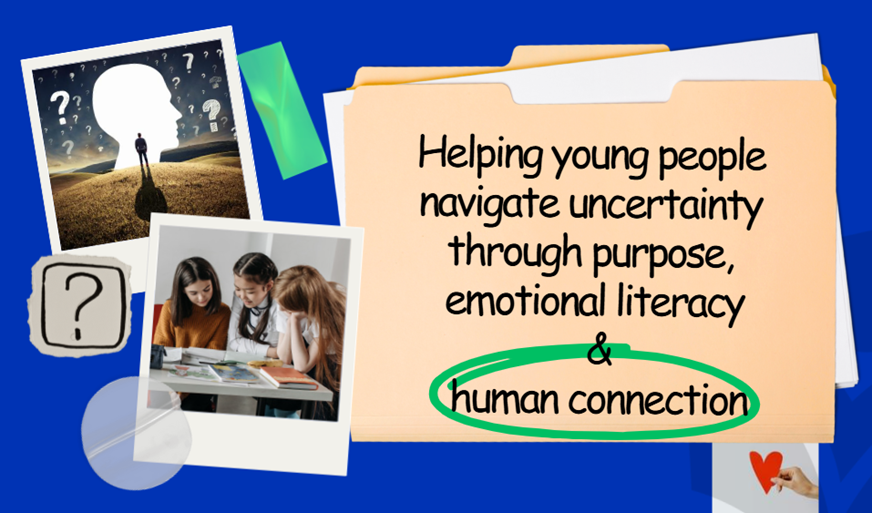
And yet, uncertainty isn’t the problem.
The challenge is that many young people don’t have the language or tools to understand what they’re feeling, or the space to explore who they are becoming.
We often separate “careers education” from “emotional wellbeing”, but real young people don’t experience life in separate boxes.
When a pupil says, “I don’t know what to do next,” they are often also saying:
• “I’m not sure who I am yet.”
• “I don’t want to make the wrong choice.”
• “I’m worried I won’t cope.”
This is why emotional literacy and purpose-building need to sit side by side.
Through Partnership for Children’s programmes, children learn to recognise feelings, name emotions, solve small problems, and build resilience. These skills are essential as pupils move through transition points, from primary to secondary, into GCSEs, and beyond. Emotional literacy gives young people the vocabulary to stay grounded during uncertainty.
Alongside emotional literacy, purpose focused career education offers a different kind of navigation.
Instead of asking the pressure-filled question, “What career do you want?”
We can ask:
• “What energises you?”
• “What matters to you right now?”
• “Where do you feel most like yourself?”
These questions help pupils explore identity, strengths and curiosity which are key ingredients for building long-term confidence.
When combined, emotional literacy and purpose create a powerful pathway for pupils:
• Language + identity
• Confidence + curiosity
• Wellbeing + direction
This doesn’t remove uncertainty; it makes uncertainty manageable.
Three simple strategies for schools:
1. Normalise ‘not knowing yet’
A single sentence such as “It’s okay not to know yet” can immediately reduce pressure.
2. Use small reflective pauses
Two minute questions at the end of a lesson can help pupils notice strengths, interests and feelings. This builds identity gradually.
Helping pupils name overwhelm, excitement, confusion or worry gives them agency over those feelings.
The Lab to Ed Leadership & Partnership for Children Perspective
When we weave wellbeing and identity into everyday practice, young people don’t just choose better pathways, they become more confident, connected and ready for the future.
This is the heart of our work at Lab to Ed Leadership, creating an ecosystem where emotional literacy, purpose and future skills work together to support the whole young person.
Alongside this, Partnership for Children’s approach brings the essential foundations of emotional literacy, resilience and healthy coping into the picture. Through practical, evidence based programmes, young people learn to recognise their feelings, name emotions, solve everyday problems and navigate change with greater steadiness and self understanding.
Together, these two lenses purpose-led identity work and emotional literacy for wellbeing, offer a powerful, human centred approach to supporting young people through uncertainty. Our joint work recognises that identity, confidence, belonging and emotional safety are deeply connected. When young people understand what they feel and who they are becoming, they move through life’s transitions with more clarity, curiosity and courage.
How is your school bridging the gap between wellbeing and careers?
We would love to hear the small “micro interventions” making a difference in your setting.
If you would like to continue the discussion, feel free to share your thoughts in the comments section below or tag us on LinkedIn. Your ideas might support another educator, school or young person.





Are you looking for solutions? Let us help fund them! Nexus Education is a community of over 11,000 schools that come together to share best pract... View More
Established in 2011, One Education is a company at the heart of the education world, supporting over 600 schools and academies. Our unique appeal a... View More
School Space is a social enterprise that has empowered schools for over 14 years through their profitable and hassle-free lettings services. So far... View More
Unify is an online sales and marketing tool that allows users to create tailored personalised documents in moments. View More
There’s nothing special about the energy we sell. In fact, it’s exactly the same energy as all our competitors provide. But there is something spec... View More
Securus provide market-leading monitoring solutions to safeguard students on ALL devices both online and offline. We also offer a full monitoring s... View More
Robotical makes Marty the Robot - a walking, dancing coding robot that makes programming fun and engaging for learners as young as 5. Our robots co... View More