
29-05-2023
12:04
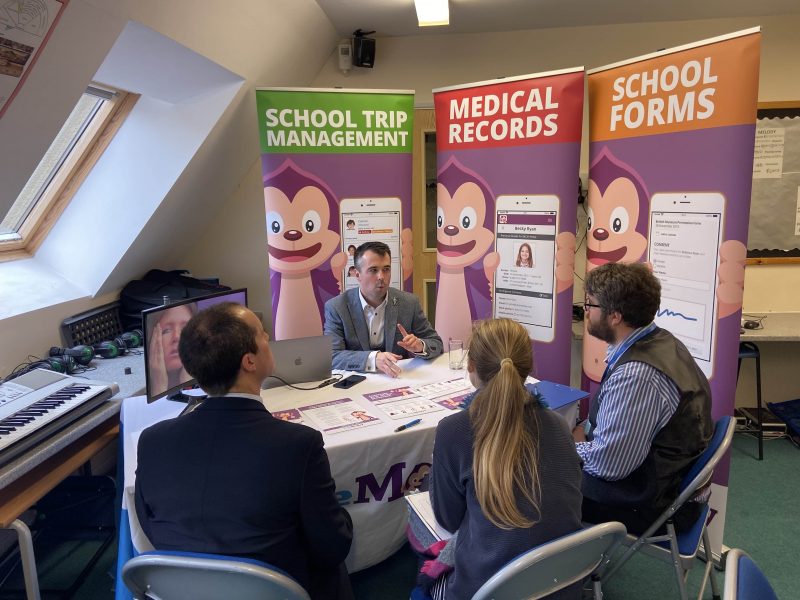
Our team sorts through all blog submissions to place them in the categories they fit the most - meaning it's never been simpler to gain advice and new knowledge for topics most important for you. This is why we have created this straight-forward guide to help you navigate our system.
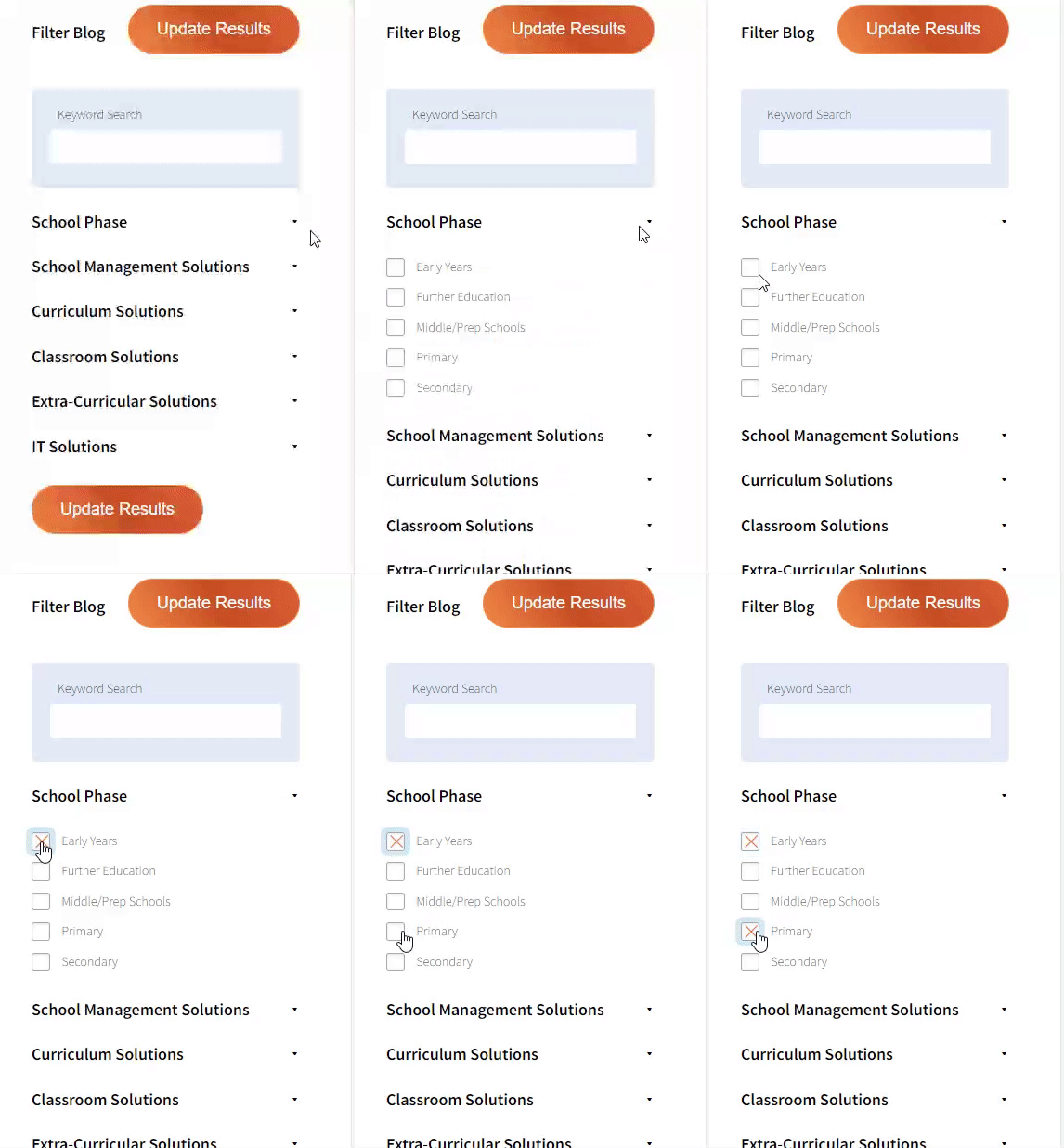
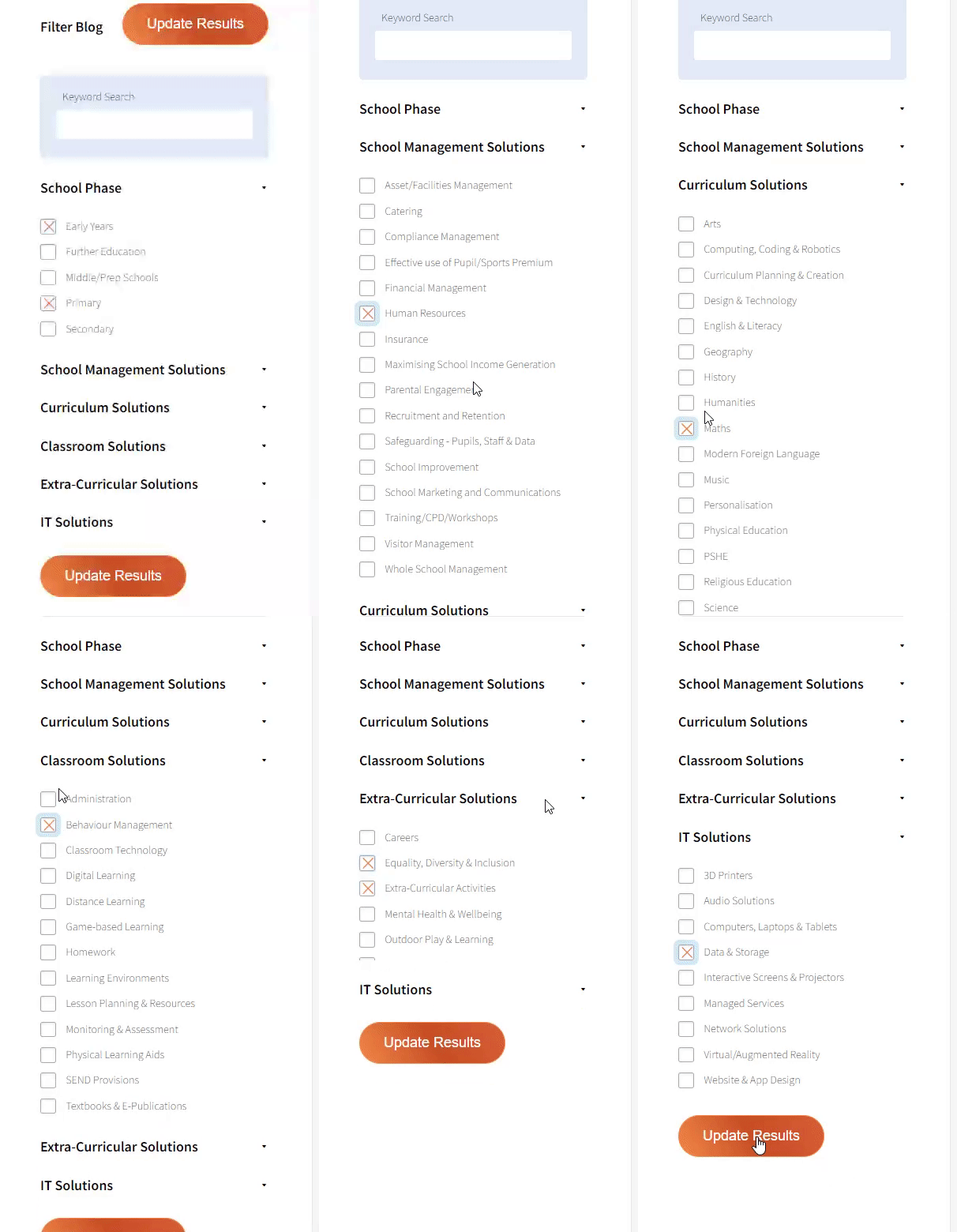
And there you have it! Now your collection of blogs are catered to your chosen topics and are ready for you to explore. Plus, if you frequently return to the same categories you can bookmark your current URL and we will save your choices on return. Happy Reading!
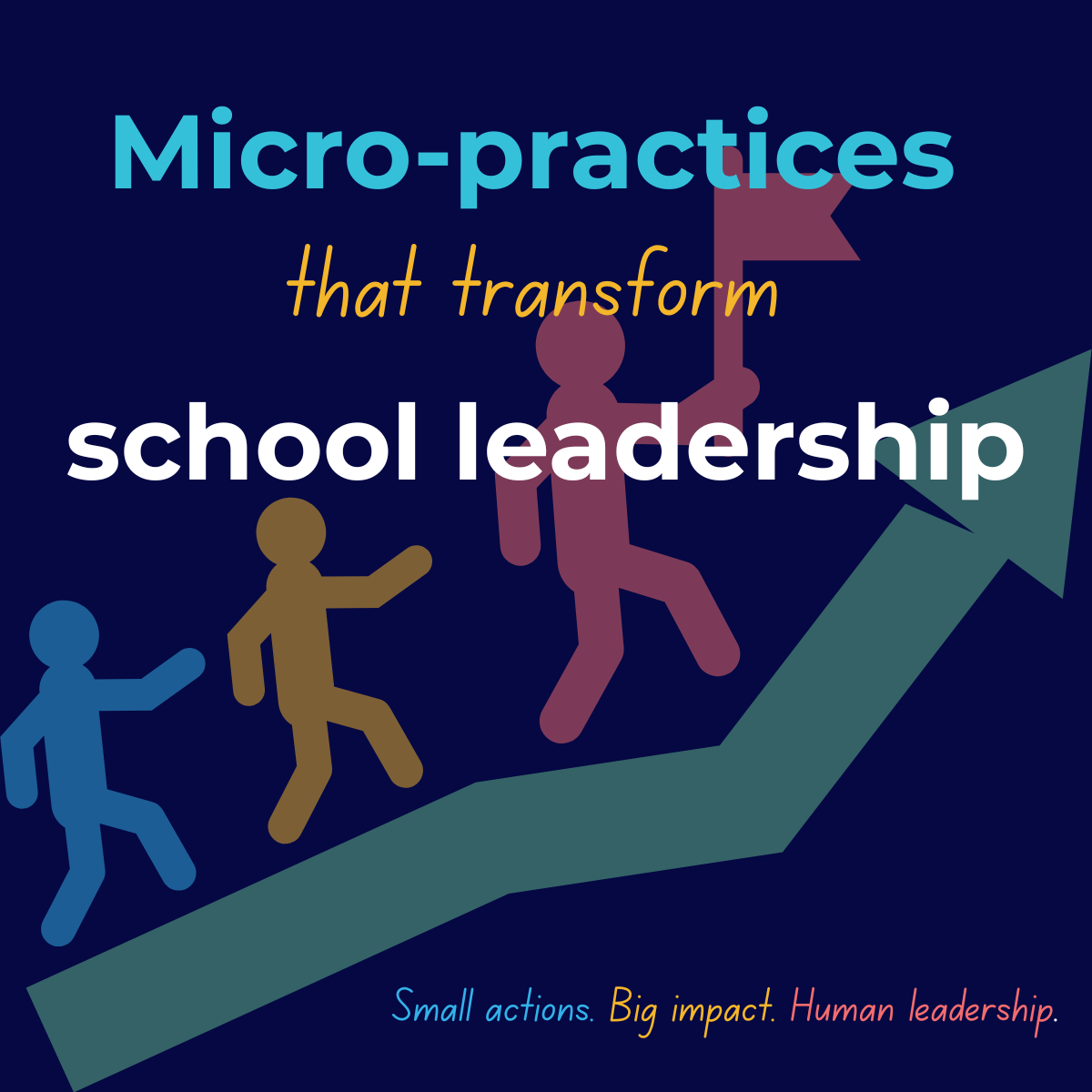
Micro‑practices in school leadership shape culture far more than any policy or plan. In my work with leaders, I see how these small actions influence trust, behaviour and the daily experience of staff.
“Culture is shaped in the micro‑moments. Trust is built in the pauses.”
National College for School Leadership, Leadership for Learning research
Across TES, Schools Week and the legacy research from the National College for School Leadership, the message is consistent: the most effective leaders are those who pay attention to the human texture of the day. They lead through presence, clarity and relational depth, not through volume of activity.
Schools Week frequently highlights the emotional intensity of leadership, the rapid shifts, the constant decision‑making, the sheer volume of need.
“A micro‑pause is a quiet act of leadership discipline.”
Schools Week commentary on leadership decision‑making under pressure
A breath before responding.
A moment to settle yourself before you settle a room.
A deliberate shift from urgency to clarity.
TES often returns to the theme of belonging and the power of leaders who genuinely see their people.
“A greeting is never just a greeting. It’s a signal of value.”
TES features on staff culture and belonging
Using someone’s name.
Eye contact in a corridor.
Ten seconds of genuine listening.
These moments accumulate. They tell people: You matter here.
These micro‑practices in school leadership help staff feel seen and valued.
Not every developmental conversation needs a coaching cycle or a meeting slot.
“Short, curious conversations build professional identity and confidence.”
Schools Week analysis of teacher agency and professional voice
These micro‑conversations strengthen agency and help staff feel seen in their practice.
Research consistently shows that micro‑practices in school leadership influence culture more than formal policies.
TES leadership pieces consistently show that clarity reduces anxiety.
“People don’t need perfection, they need purpose.”
TES leadership guidance on communication and change
Offering a brief rationale.
Linking decisions back to values.
Being transparent about constraints.
This is how coherence is built.
Recognition doesn’t need to be formal to be powerful.
“Informal praise often lands the deepest.”
TES and Schools Week reporting on retention and staff morale
Specific, timely acknowledgement strengthens trust and supports retention.
Workload remains a dominant theme across the sector.
“Protecting staff time is one of the clearest signals of respect.”
Schools Week coverage of workload and wellbeing
Cancel the unnecessary meeting.
End the briefing early.
Say, “This is enough, stop here.”
Schools Week commentary often emphasises the impact of micro‑behaviours on trust and staff morale.
Research from the National College for School Leadership highlights how small, relational behaviours influence culture far more than formal structures.
“Strategy becomes human in the small, repeated interactions.”
National College for School Leadership, Leadership for Learning
Repeating key messages.
Checking in on how change is landing.
Adjusting pace based on what you see and hear.
Because leadership is lived in moments, not meetings.
Because culture is shaped by what people experience every day.
Because trust grows through consistency, not complexity.
“The most effective leaders are those who lead with humanity at the centre.”
Synthesis of TES, Schools Week and NCSL leadership research
These micro‑practices don’t require more hours. They require intention, presence and the quiet courage to lead in a deeply human way.
If you’re exploring this further, my page on safeguarding supervision offers more detail on how leaders embed these micro‑practices in daily work.
You can also read related reflections on leadership culture in my blog archive.






Are you looking for solutions? Let us help fund them! Nexus Education is a community of over 11,000 schools that come together to share best pract... View More
Established in 2011, One Education is a company at the heart of the education world, supporting over 600 schools and academies. Our unique appeal a... View More
School Space is a social enterprise that has empowered schools for over 14 years through their profitable and hassle-free lettings services. So far... View More
Unify is an online sales and marketing tool that allows users to create tailored personalised documents in moments. View More
There’s nothing special about the energy we sell. In fact, it’s exactly the same energy as all our competitors provide. But there is something spec... View More
Securus provide market-leading monitoring solutions to safeguard students on ALL devices both online and offline. We also offer a full monitoring s... View More
Robotical makes Marty the Robot - a walking, dancing coding robot that makes programming fun and engaging for learners as young as 5. Our robots co... View More